
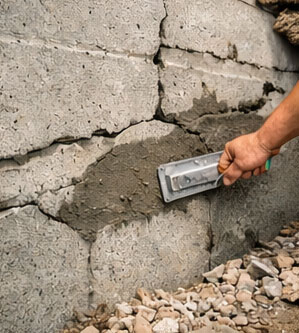
Every residential property experiences natural settling over time, which often leads to the appearance of small cracks in your concrete or drywall. Knowing how to distinguish between minor superficial blemishes and major load-bearing failures helps you protect your home without experiencing unnecessary panic.
Ignoring a severe fracture can allow water intrusion and shifting soil to slowly compromise the safety of your entire household. By learning what to look for, you can catch structural issues early, protect your real estate equity, and make smart, timely repair decisions.
Examining Crack Width and Physical Dimension
The actual size of a crack is one of the most reliable initial indicators of its severity and potential danger. Hairline fractures are incredibly common in poured concrete, while wide gaps require immediate engineering evaluation.
- Hairline cracks measuring less than one-sixteenth of an inch in width are almost always harmless shrinkage lines from the concrete curing process.
- Fractures that expand to three-sixteenths of an inch or wider indicate that active movement is taking place within your home’s support system.
- Any gap wide enough to easily slip a dime or a pencil into warrants a swift diagnostic check from a structural specialist.
Paying close attention to these physical measurements helps you filter out minor cosmetic issues from genuine structural threats. Keeping a close eye on any wider gaps ensures you do not overlook a developing foundation issue.
Analyzing the Direction and Orientation of the Gap
Concrete cracks typically form in distinct directions depending on the physical forces acting upon the foundation walls. The orientation of the line—whether vertical, diagonal, or horizontal—reveals a great deal about the stress your home is experiencing.
- Vertical cracks are highly common in poured concrete walls and usually result from the natural settling or shrinking of the home.
- Diagonal fractures that run at a forty-five-degree angle often indicate differential settlement, meaning one part of your house is sinking faster than the rest.
- Horizontal cracks are highly serious structural failures caused by intense hydrostatic pressure pushing the exterior soil against your basement walls.
While vertical lines are often cosmetic, horizontal and diagonal lines require professional intervention to prevent wall bowing or collapse. Knowing how to read these directions allows you to assess the urgency of the situation immediately.
Monitoring the Rate of Active Movement and Growth
A harmless cosmetic crack typically opens shortly after construction or during major seasonal weather changes and then remains completely stable. Active structural failures, on the other hand, will continuously grow, widen, or lengthen over time.
- Drawing small pencil marks at the ends of a crack helps you monitor whether the line is physically expanding over several months.
- Utilizing simple glass crack-monitoring gauges allows you to measure both horizontal and vertical movement with high precision.
- Noting whether cracks open wider during wet spring months and close slightly during dry summer seasons indicates active foundation movement.
If a crack continues to grow after several months of monitoring, it is no longer a harmless cosmetic issue. Active movement means the surrounding soil is failing to support your home, requiring professional stabilization.
Checking for Accompanying Interior Structural Symptoms
Foundation failures rarely happen in isolation, meaning a serious concrete crack will almost always trigger other noticeable issues upstairs. Checking the rest of your home for operational problems helps confirm whether a crack is structural.
- Struggling to open or close doors and windows, which indicates that your home’s wood framing has shifted out of square.
- Spotting diagonal drywall cracks radiating outward from the upper corners of interior door frames and window openings.
- Noticing that your wood or tile floors feel sloped, bouncy, or uneven when walking from one room to another.
When cosmetic wall cracks are accompanied by sticky doors and sloping floors, the root cause is almost always a failing foundation. Recognizing these connected symptoms helps you see the bigger picture of your home’s structural health.
Assessing Water Seepage and Moisture Intrusion
Even if a concrete crack is technically stable and not a structural threat, it can still act as a direct pathway for water. Any fracture that allows groundwater to seep into your lower living space requires attention to prevent secondary damage.
- Finding wet spots, damp concrete, or active water trickling down your basement walls along the path of a crack.
- Spotting white, powdery mineral deposits or dark mold patches growing on the concrete surfaces surrounding the fracture.
- Detecting musty odors in your lower living spaces, which suggests that high humidity is migrating through hidden foundation gaps.
A leaking crack can quickly lead to wood rot, mold growth, and ruined personal property if left unaddressed. Sealing these pathways protects your indoor air quality and keeps your lower level dry and usable.
Securing Your Home’s Structural Future
Taking a proactive approach to monitoring and repairing foundation cracks is the best way to safeguard your home’s long-term value and safety. By addressing shifting soils and water pressure early, you prevent minor settling from turning into a devastating structural failure.
Consulting with a professional structural specialist provides you with the precise diagnostics and peace of mind you need. Do not let hidden foundation movement threaten your family’s safety when expert evaluation and repair solutions are readily available.