
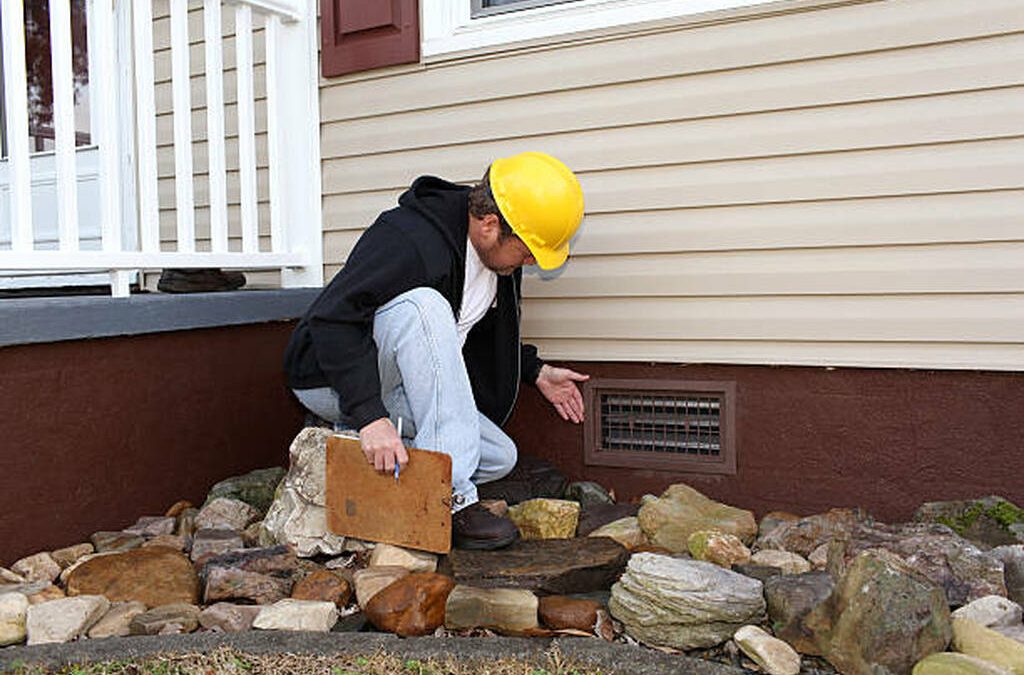
A damp and neglected crawlspace beneath your home does not keep its problems confined to the dark. Because the air in your lower utility spaces is directly linked to the air you breathe upstairs, ignoring mold growth below can lead to serious indoor air quality issues.
An unventilated foundation void acts as a breeding ground for toxic fungi, which can quietly compromise both your property’s structural integrity and your family’s respiratory health. Recognizing how these microscopic organisms infiltrate your living areas is the first step toward reclaiming a clean, safe, and healthy home environment.
The Physical Mechanics of the Stack Effect
Many homeowners do not realize that their houses naturally draw air upward from the lowest levels to the upper floors. This physical process, known as the stack effect, functions like a chimney, constantly pulling cool air from the crawlspace up into your living quarters.
- Rising warm air on the upper floors escapes through attic vents, creating a low-pressure vacuum in the lower levels of the house.
- This pressure imbalance sucks damp, mold-spore-laden air from the crawlspace through tiny gaps in your subfloors and around utility pipes.
- Up to half of the air you breathe on your first floor originates directly from the crawlspace beneath your feet.
Understanding this physical airflow pattern explains why a musty smell in your lower level quickly becomes a full-house odor problem. Sealing floor penetrations and encapsulating the ground below are crucial steps to block this continuous upward draft.
Rapid Dispersion of Airborne Spores and Mycotoxins
Mold reproduction relies on the release of millions of microscopic spores that float effortlessly through the air. In a damp crawlspace, these airborne particles can easily find their way into your home’s main HVAC system and circulate throughout every room.
- Spores readily penetrate weak joints in your floor joists and enter the gaps around your heating and cooling ductwork.
- Once inside your HVAC system, the forced air actively distributes mold spores, dust mites, and chemical mycotoxins to your bedrooms and living areas.
- High indoor humidity levels, fueled by crawlspace moisture, allow these traveling spores to colonize your upstairs carpets, drywall, and furniture.
This widespread distribution turns a localized crawlspace issue into a chronic, home-wide environmental hazard. Keeping your heating and cooling ducts tightly sealed prevents your HVAC system from acting as a delivery mechanism for mold.
Structural Decay of Wooden Subflooring and Joists
Mold does not just poison your air; it actively consumes the organic materials that keep your home standing. Wood-decay fungi thrive on the damp timber framing beneath your house, weakening the load-bearing components of your subfloor.
- Microscopic fungal roots dig deep into wooden floor joists, feeding on cellulose and causing the timber to rot and split.
- Sagging or spongy subfloors create wide gaps around baseboards and flooring materials, allowing even more polluted air to enter your home.
- Wood-boring insects, such as termites and carpenter ants, are naturally drawn to the softened, decaying wood, compounding the structural damage.
As the physical framing of your home deteriorates, it compromises both your family’s safety and the sealing of your indoor living spaces. Reversing this wood rot requires professional structural reinforcement alongside comprehensive moisture control.
Elevated Humidity and Indoor Condensation Cycles
A damp crawlspace continuously pumps vast amounts of water vapor into your home, raising the overall indoor relative humidity levels. High humidity creates a sticky, uncomfortable indoor climate and promotes condensation on cooler surface areas.
- Excess crawlspace moisture migrates upward, causing water droplets to condense on cold window panes, metal pipes, and interior walls.
- High relative humidity levels above sixty percent encourage secondary mold colonies to grow on your walls, ceilings, and clothing.
- Dust mites, which thrive in humid environments, multiply rapidly in your carpets and bedding, further worsening your indoor air quality.
Controlling this humidity loop requires drying out the foundation at its source. Installing a high-capacity crawlspace dehumidifier ensures that the air beneath your house remains consistently dry and hostile to mold growth.
Penetration of Electrical and Plumbing Chases
Your home’s utility lines require pathways, known as chases, to travel from the crawlspace up into your kitchen, bathrooms, and laundry areas. These physical openings are rarely sealed airtight, providing direct superhighways for moldy air to enter your living zones.
- Gaps around plumbing pipes beneath your sinks allow musty air to rise directly into your food preparation and washing areas.
- Electrical wiring runs through interior wall cavities, allowing mold spores to travel inside your drywall and exit through electrical outlets.
- Air conditioning lines create large wall penetrations that let damp, humid air bypass your home’s thermal boundaries completely.
Identifying and sealing these utility entry points prevents polluted crawlspace drafts from contaminating your immediate living zones. Professional foaming and caulking of these pathways are essential for creating an effective barrier against subterranean air.
Reclaiming a Clean and Safe Breathing Environment
Taking proactive steps to eliminate mold and control moisture in your crawlspace is an investment in your family’s long-term health and wellness. By shutting down the stack effect and sealing off damp earth, you permanently halt the migration of toxic spores and musty odors into your home.
This comprehensive environmental cleanup restores your indoor air quality, protects your structural framing, and lowers your energy costs. Do not let a hidden mold problem beneath your floors threaten your family’s physical well-being when reliable crawlspace encapsulation solutions are readily available.